Custom Tailors AI
Get measured at home in minutes
Upload two photos of yourself holding a standard 12oz soda can. Our AI estimates your measurements using Dual-Axis Calibration and the Ramanujan Elliptical Approximation, which give your tailor the right dimensions for a custom made garment.
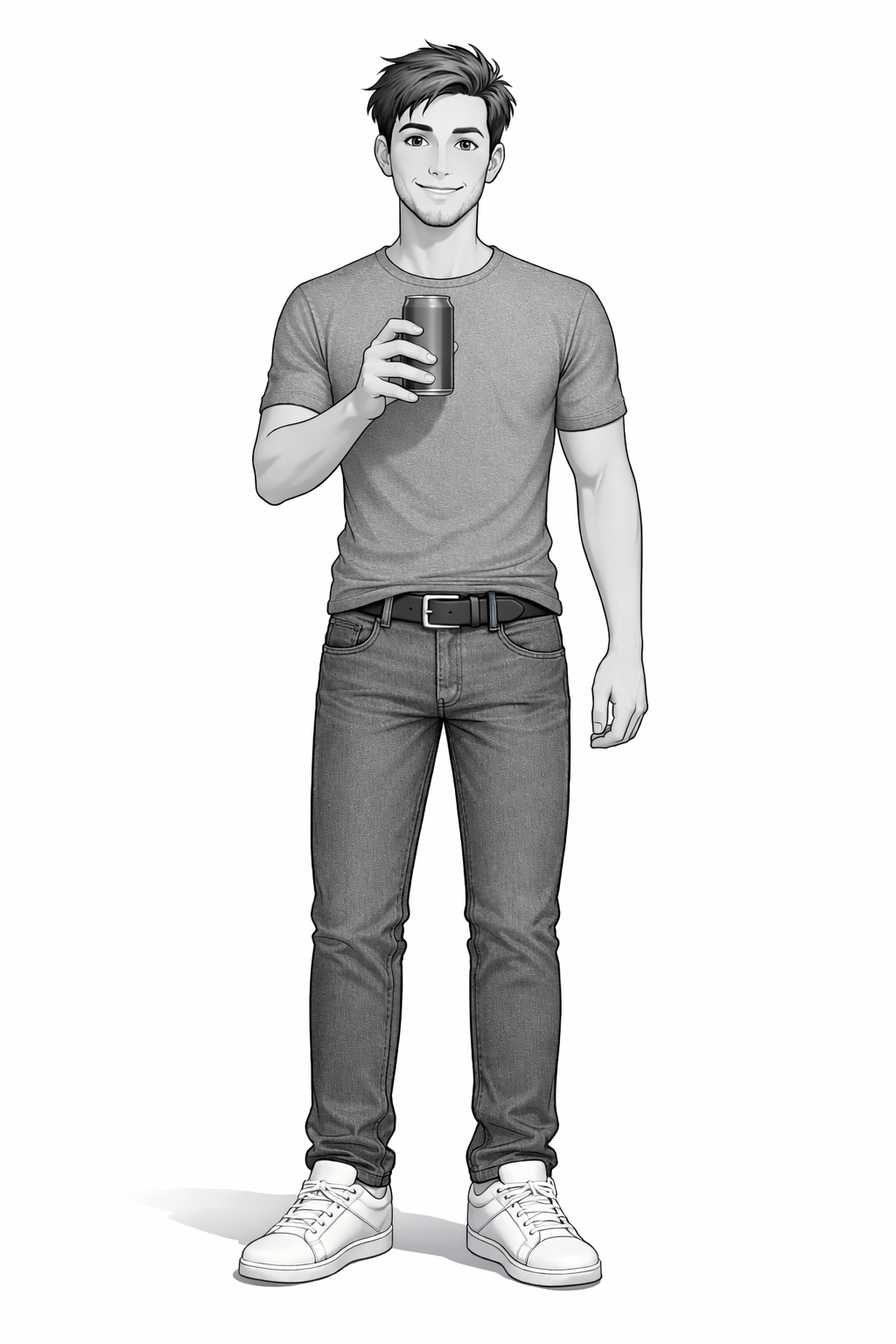
Front View
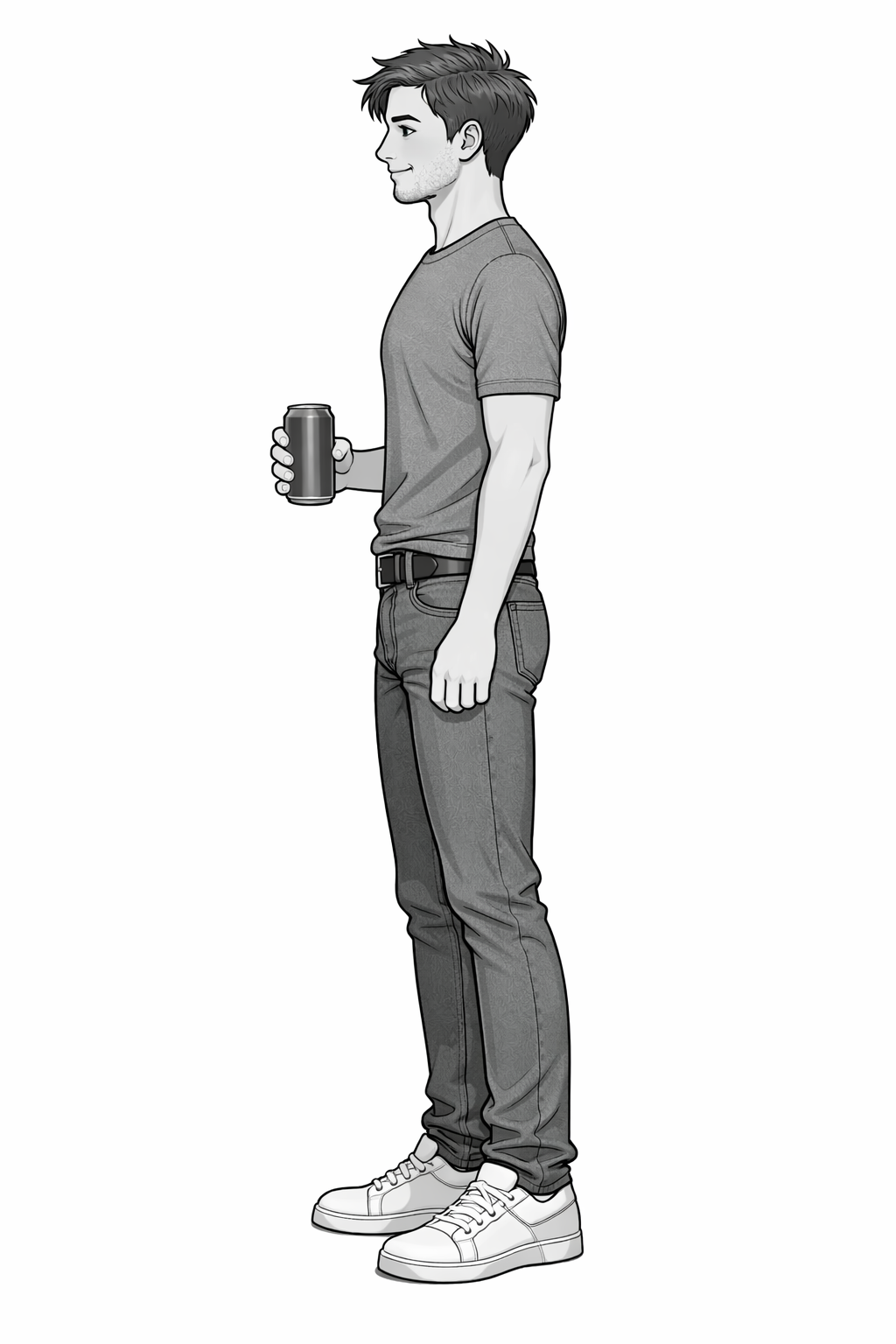
Side View
Photo Setup
How to take your photos
- →Stand against a plain, well-lit wall with your full body visible.
- →Hold a standard 12oz soda can at your hip for scale.
- →Wear form-fitting clothing (no baggy layers).
- →Stand at the exact same distance from the camera for both shots.
- →Keep arms slightly away from your sides for the front shot.
Or measure by hand using the guide below
Measurement Guide
How to get measured for a bespoke suit
A properly measured body is the foundation of every well-fitting garment. Use Custom Tailors AI above for a guided experience, or follow the manual instructions below.
Measurements snug, not tight
Tape level at all times
No extra inches for comfort — tailors add ease
Jacket measurements
Upper body
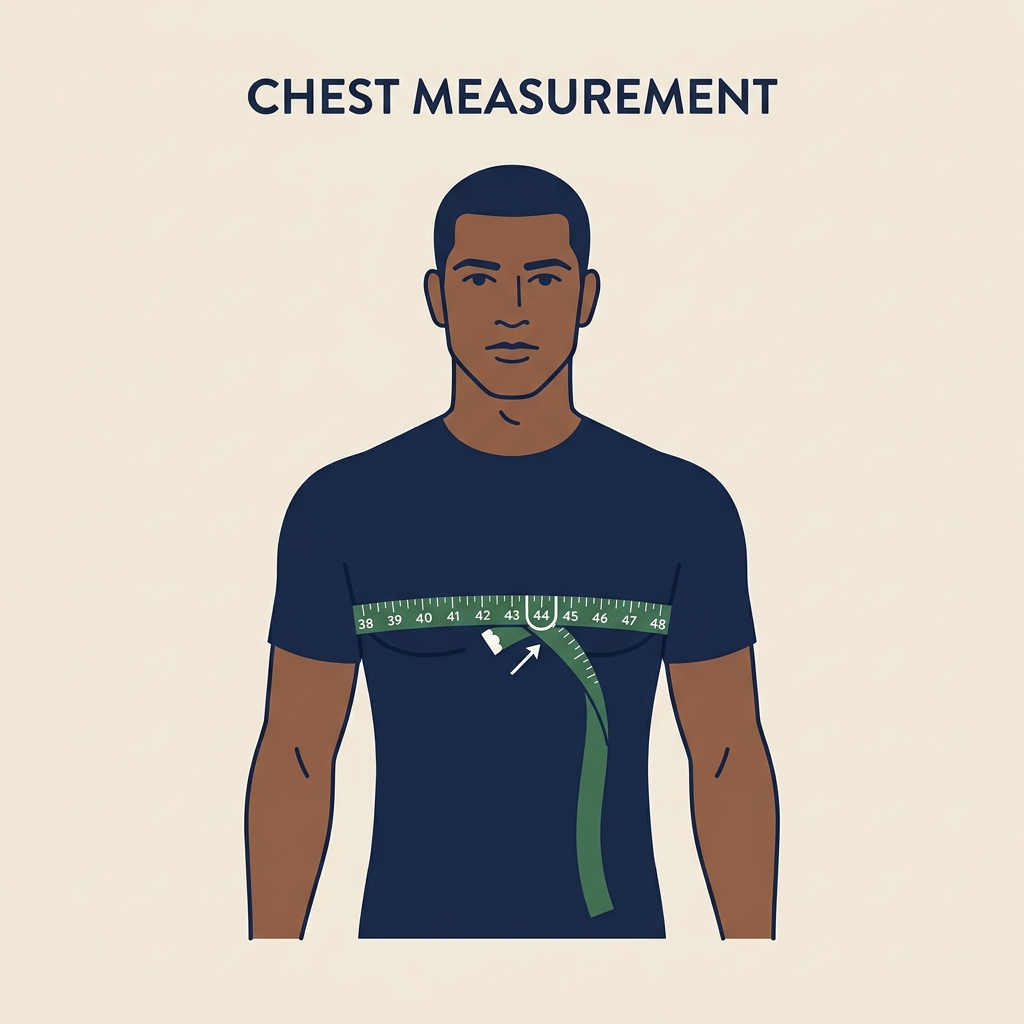
Chest
Wrap the tape measure around the widest part of your chest — typically just below the armpits and across the fullest point of the chest. Keep the tape level, breathe normally, and make it snug without pulling. Do not expand your chest or hold your breath.
Slim Fit: tailors add 2"–2.4" / Regular Fit: 2.8"–3.8"
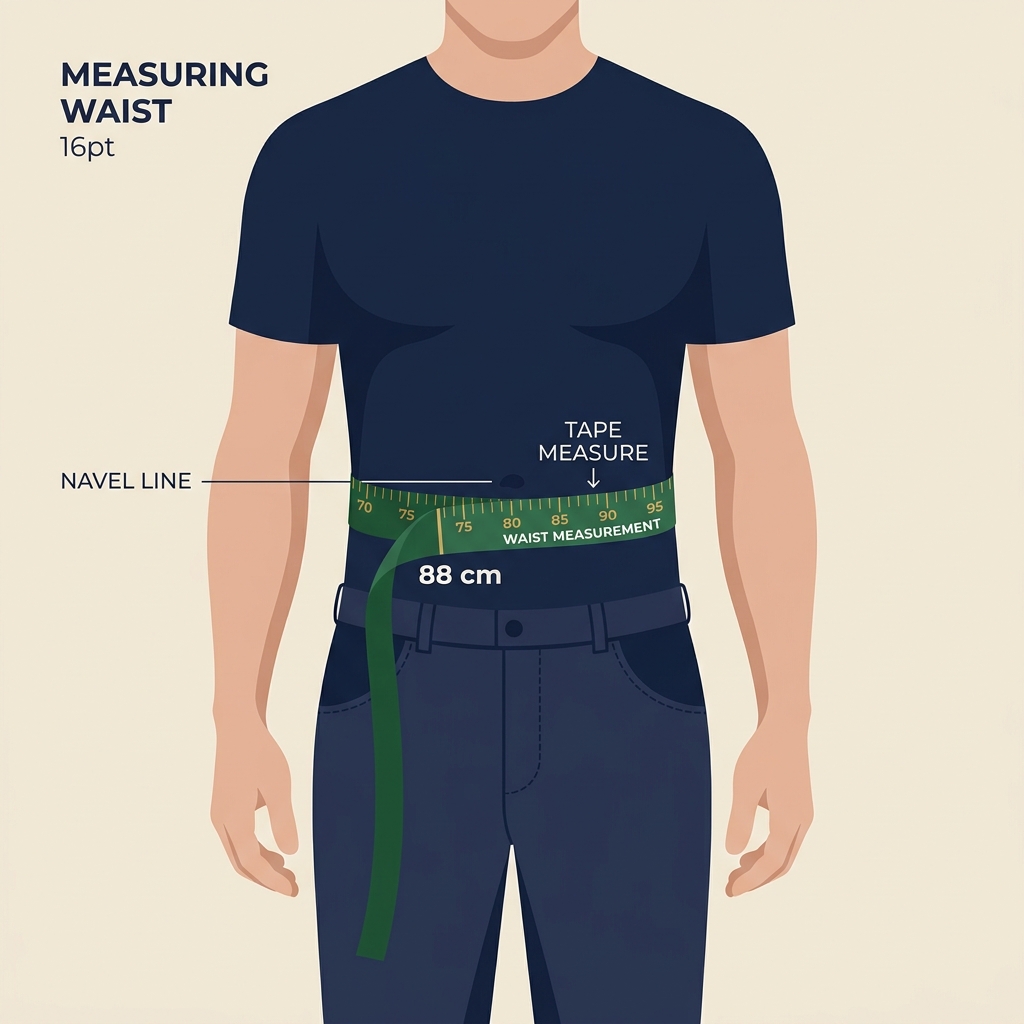
Belly
Measure around the body at the navel. This measurement works in combination with your chest measurement to help your tailor achieve the right fit through the midsection of the jacket. Do not pull in or push out.
Slim Fit: tailors add 2" / Regular Fit: 2"–3"
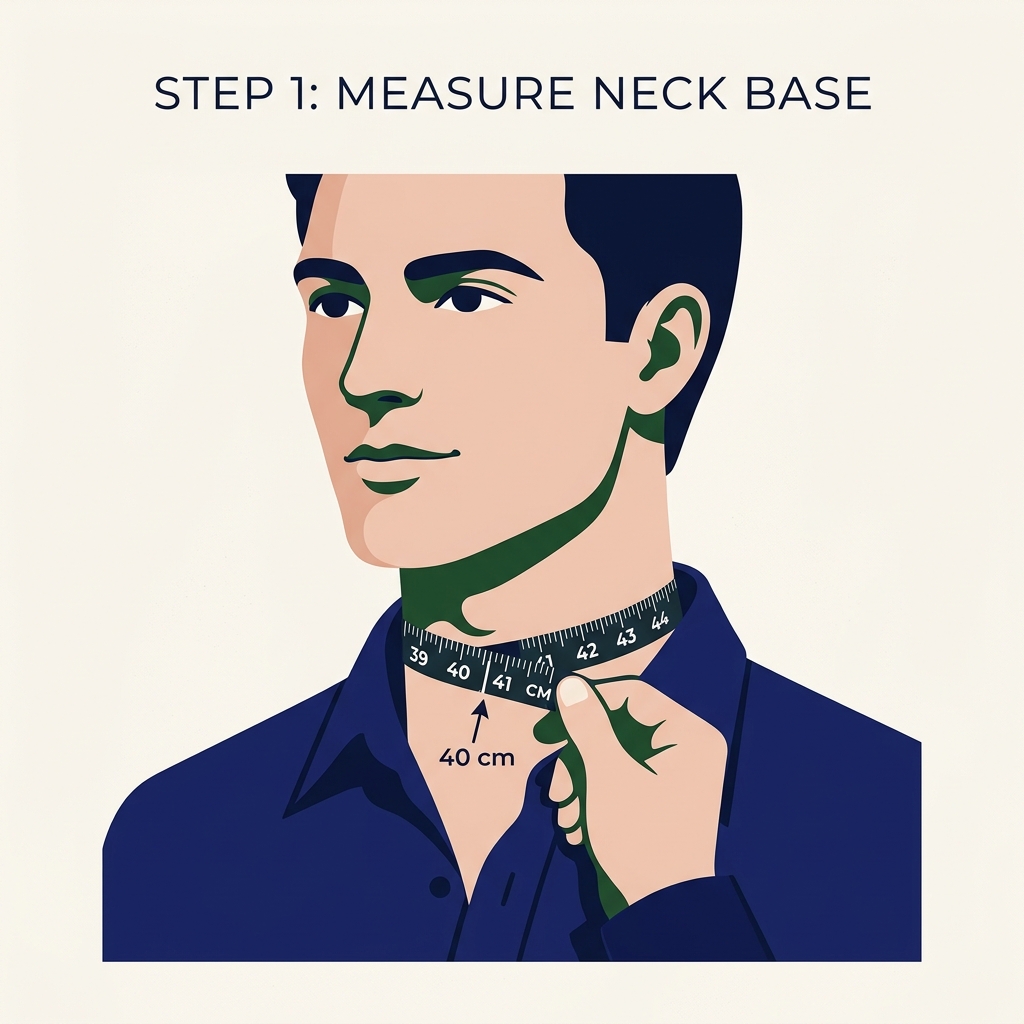
Neck
Measure around the base of the neck, just below the Adam's apple, at the point where a shirt collar would sit. Keep the tape comfortably snug — you should be able to slip one finger underneath.
No ease added to this measurement.
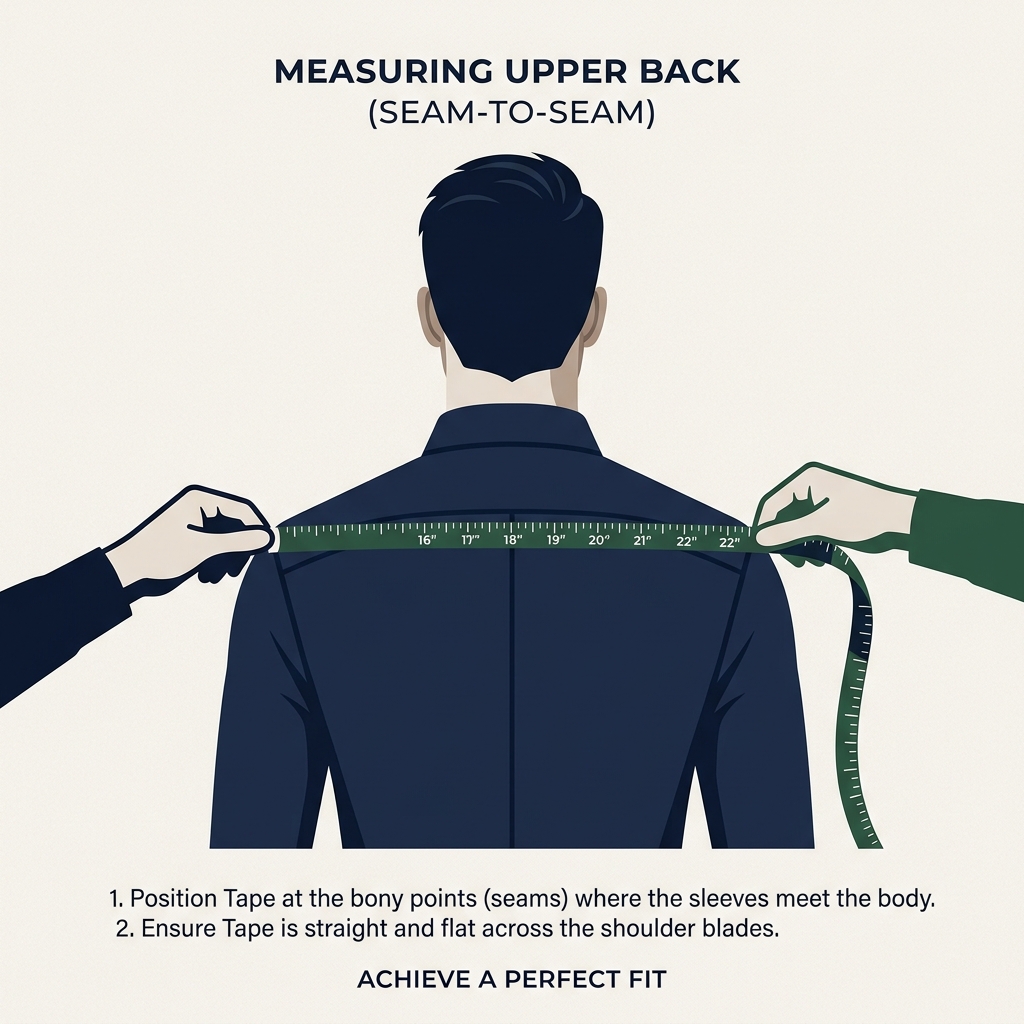
Shoulder Width
Stand with your back straight and shoulders relaxed in a natural position. Locate the shoulder points — the bony tips of each shoulder — and measure between them across the back. The tape will follow a gentle curve rather than running perfectly straight. A well-fitting shirt makes this easier: measure from seam to seam where the sleeve meets the body.
No ease added. Accuracy here is critical — shoulder fit is the hardest thing to alter.
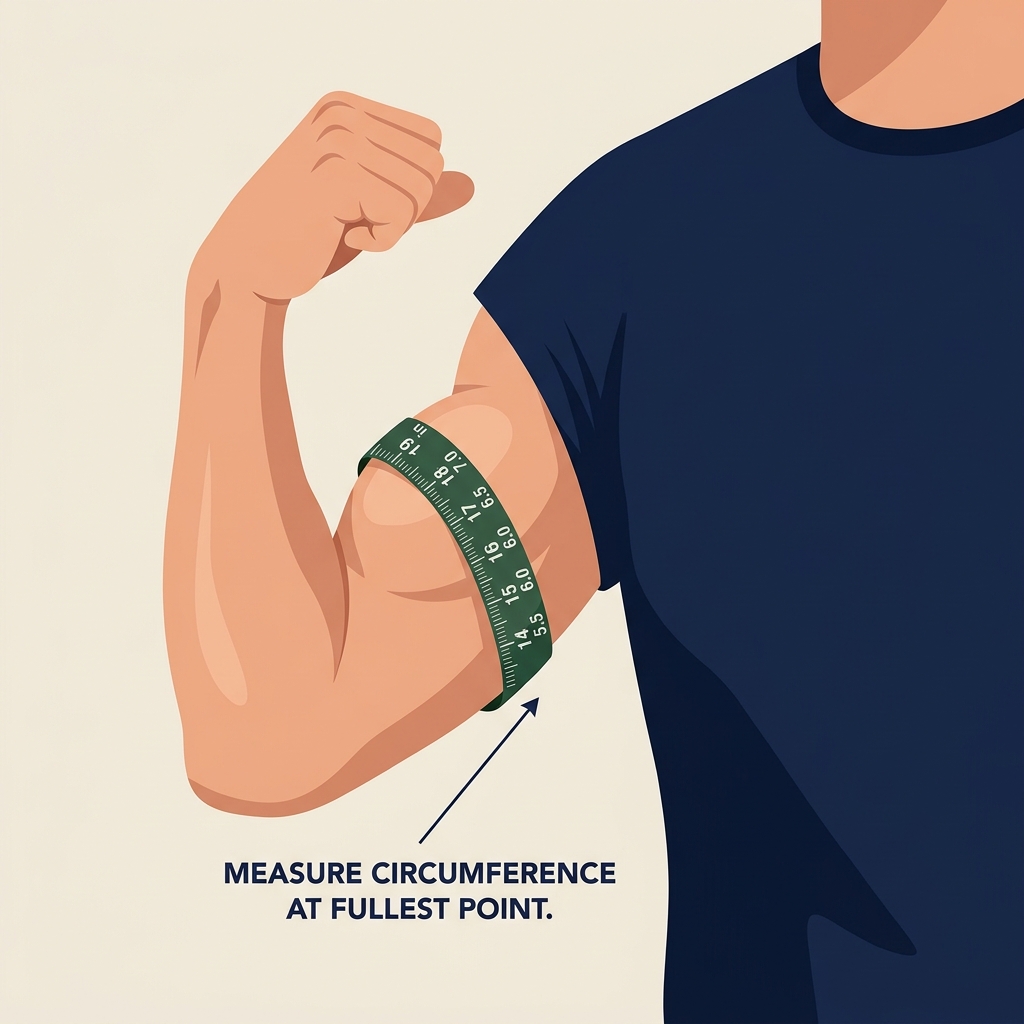
Bicep
Let your arm hang relaxed at your side — do not flex. Measure around the fullest point of the upper arm, which is usually close to the armpit. Take a couple of readings at slightly different heights and use the largest.
Slim Fit: tailors add 2.4" / Regular Fit: 2.6"
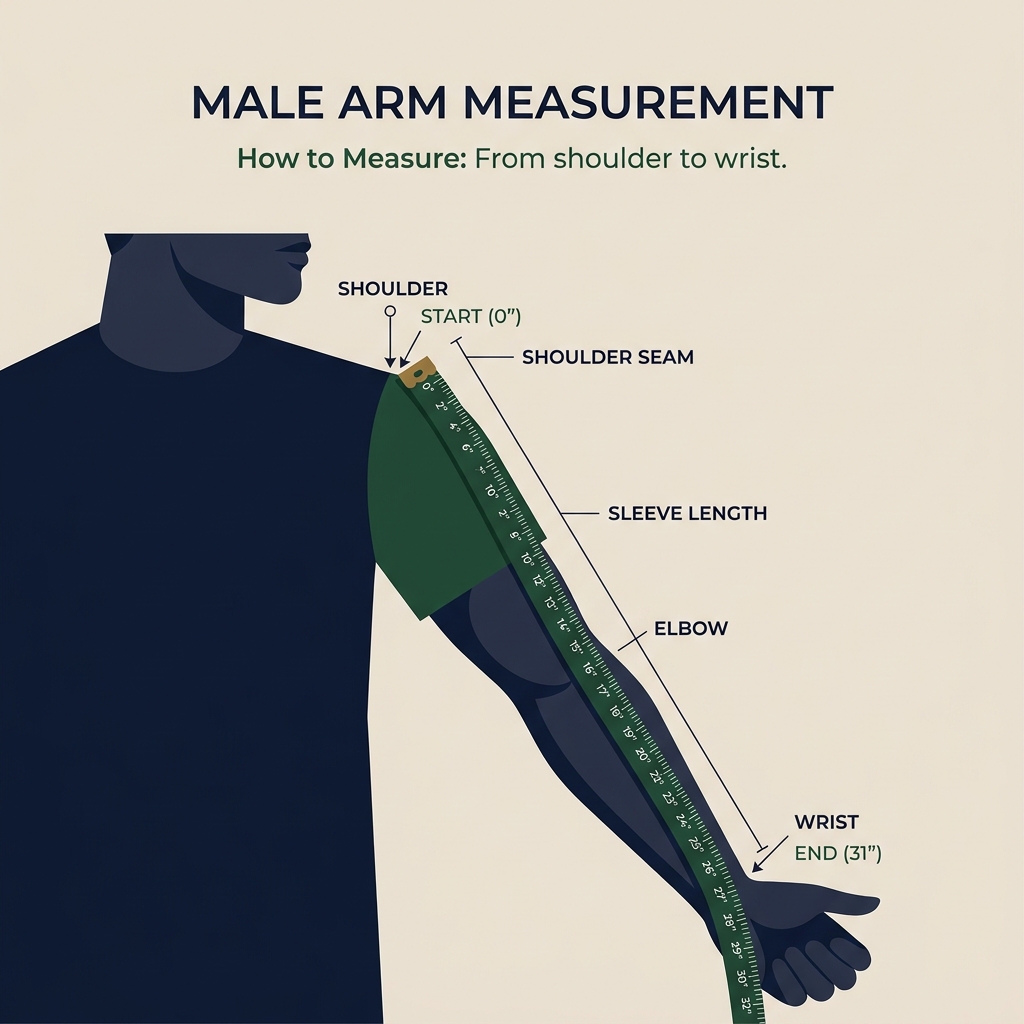
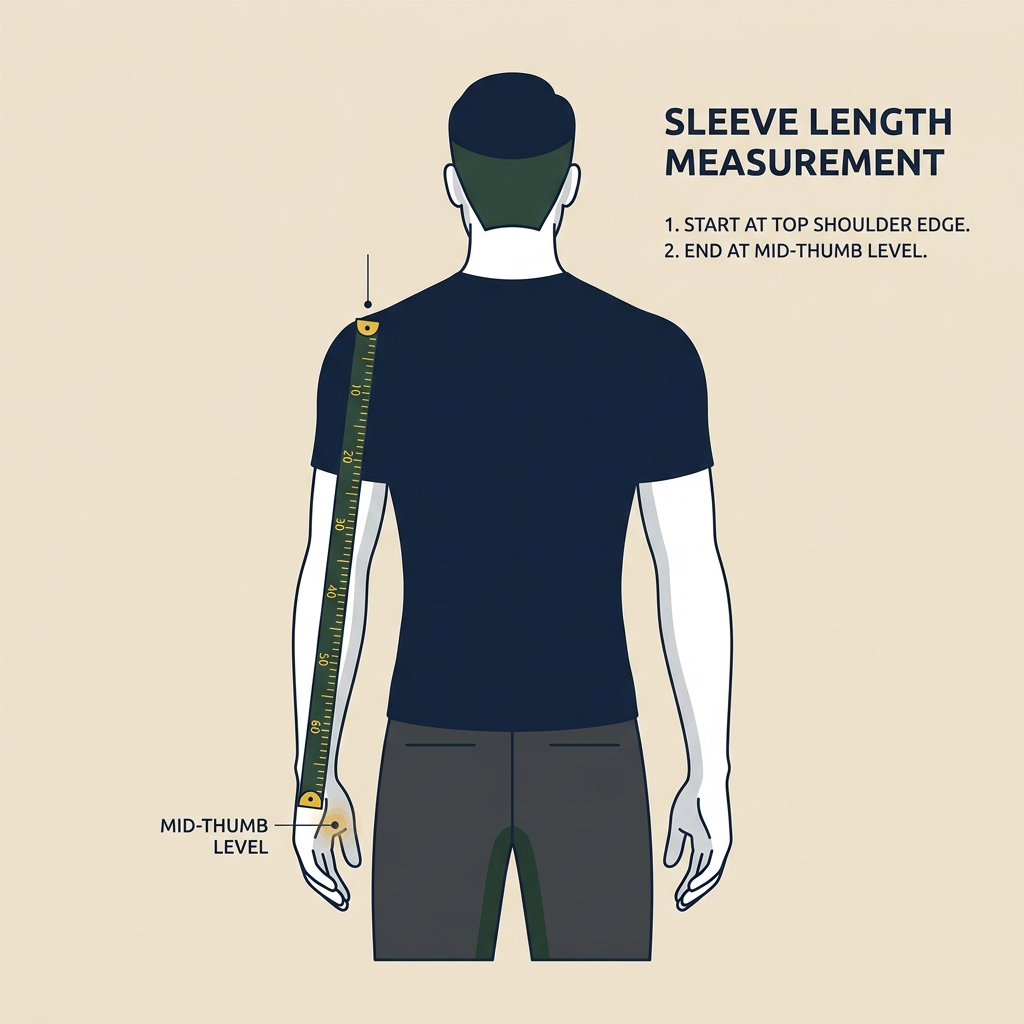
Sleeve Length
Start from the point where the shoulder and arm meet — the top of the shoulder seam on a well-fitting shirt. Measure straight down the outside of the arm to your desired sleeve end point, which is typically at the base of the thumb where it meets the wrist. Keep the arm relaxed and slightly bent, not rigidly straight.
No ease added. Measure to where you want the cuff to fall.
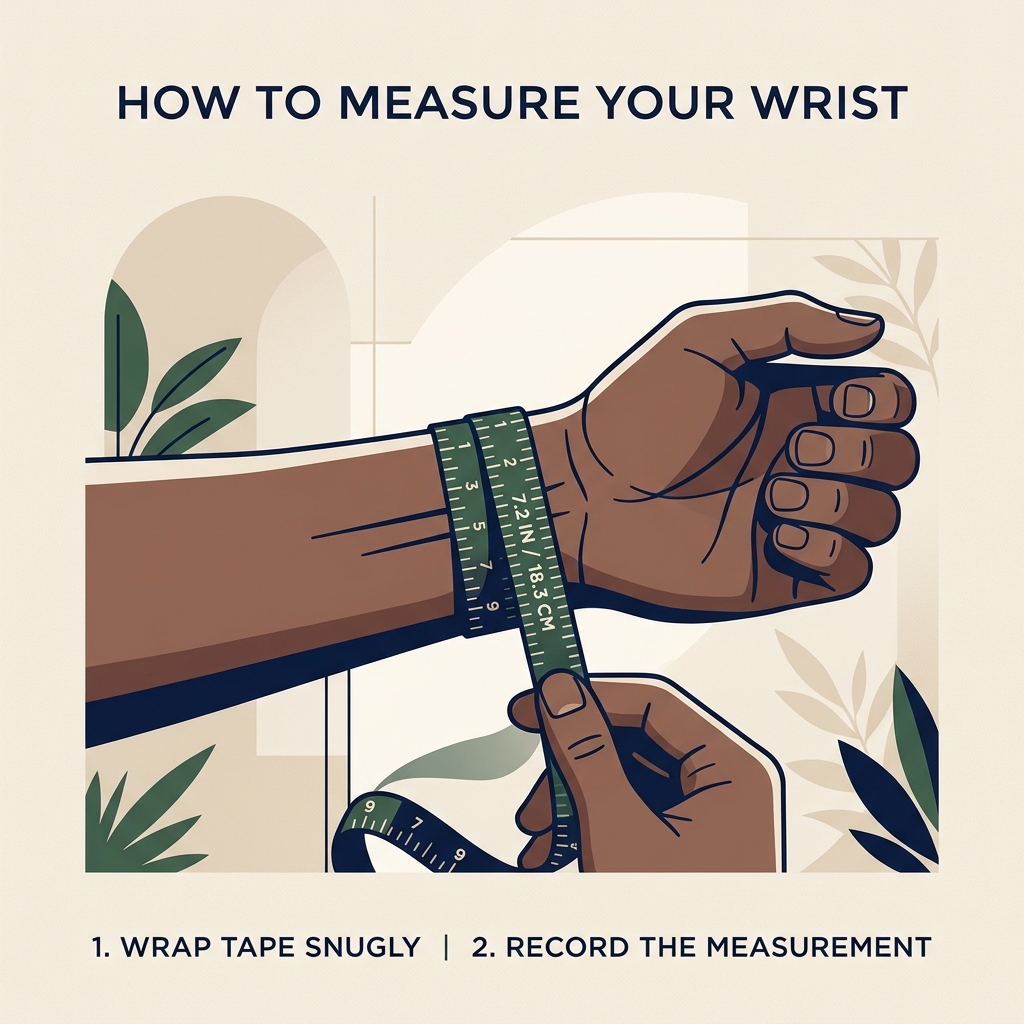
Wrist
Measure just below the wrist bone — roughly where you would wear a bracelet or watch. Keep the tape snug against the skin.
Slim Fit: tailors add 3.5"–3.9" / Regular Fit: 3.9"–4.2"
Jacket Length
Starting from the top shoulder seam, measure straight down the back to the point where you want the jacket to finish. The traditional finishing point is at the middle of the thumb when the arm hangs naturally at your side.
No ease added.
Trouser measurements
Lower body
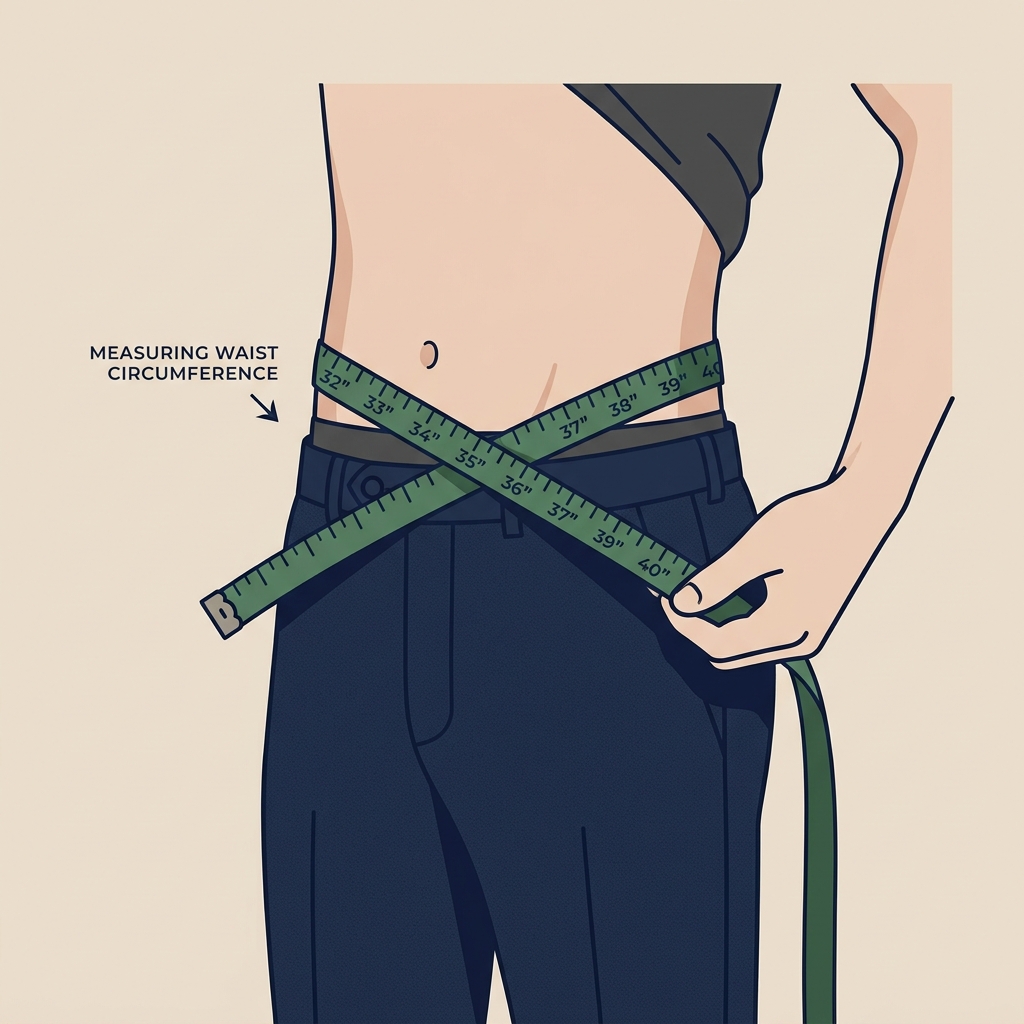
Waist
Measure around the waist at the height where you intend to wear your suit trousers — typically about four fingers below the navel for a standard waist rise. Do not use your jeans waist as a reference; suit trousers sit higher. The measurement will likely be larger than your usual trouser size.
No ease added. This is a natural waist measurement, not a pants size.
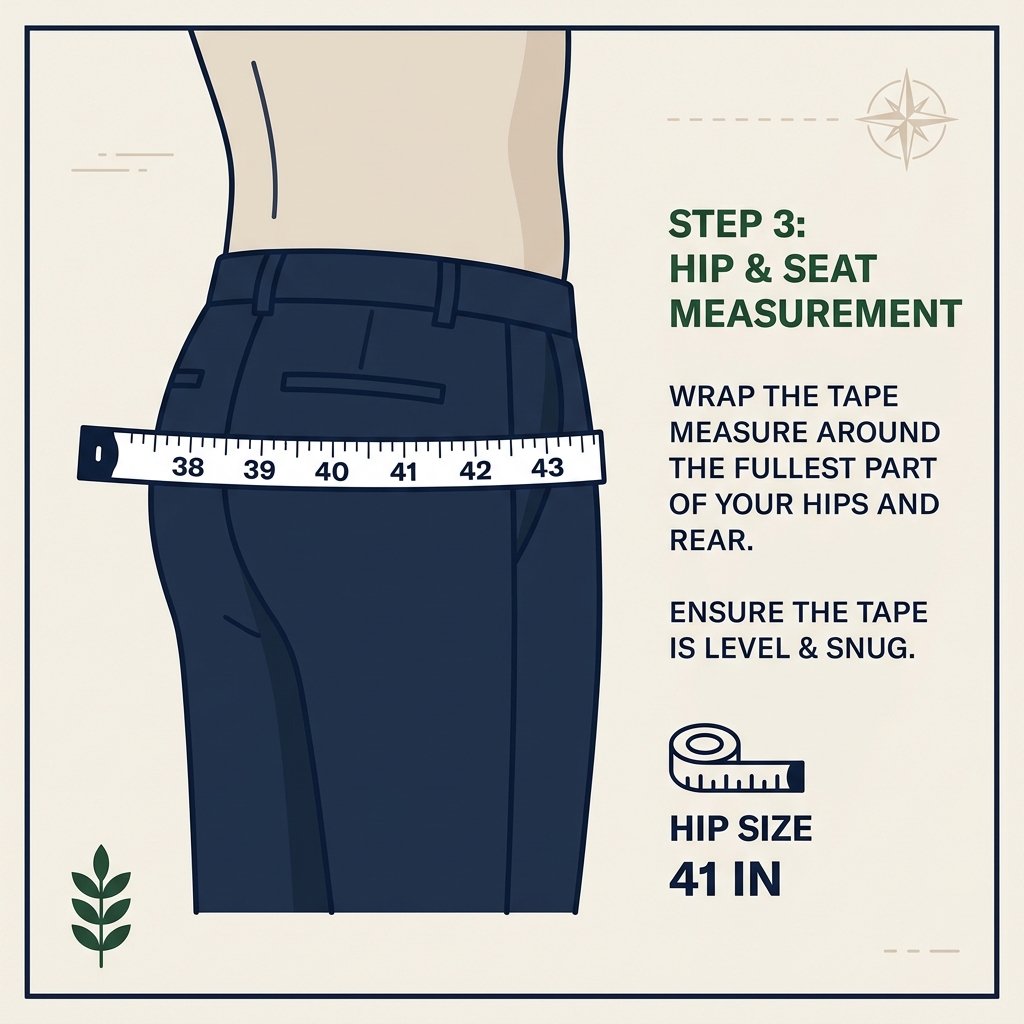
Hip / Seat
Measure around the fullest part of the seat and hips. Keep the tape level all the way around and allow room for one finger behind it — do not pull it tight. This is usually the widest point of the lower body.
Slim Fit: tailors add 2.4" / Regular Fit: 2.8"–3.1"
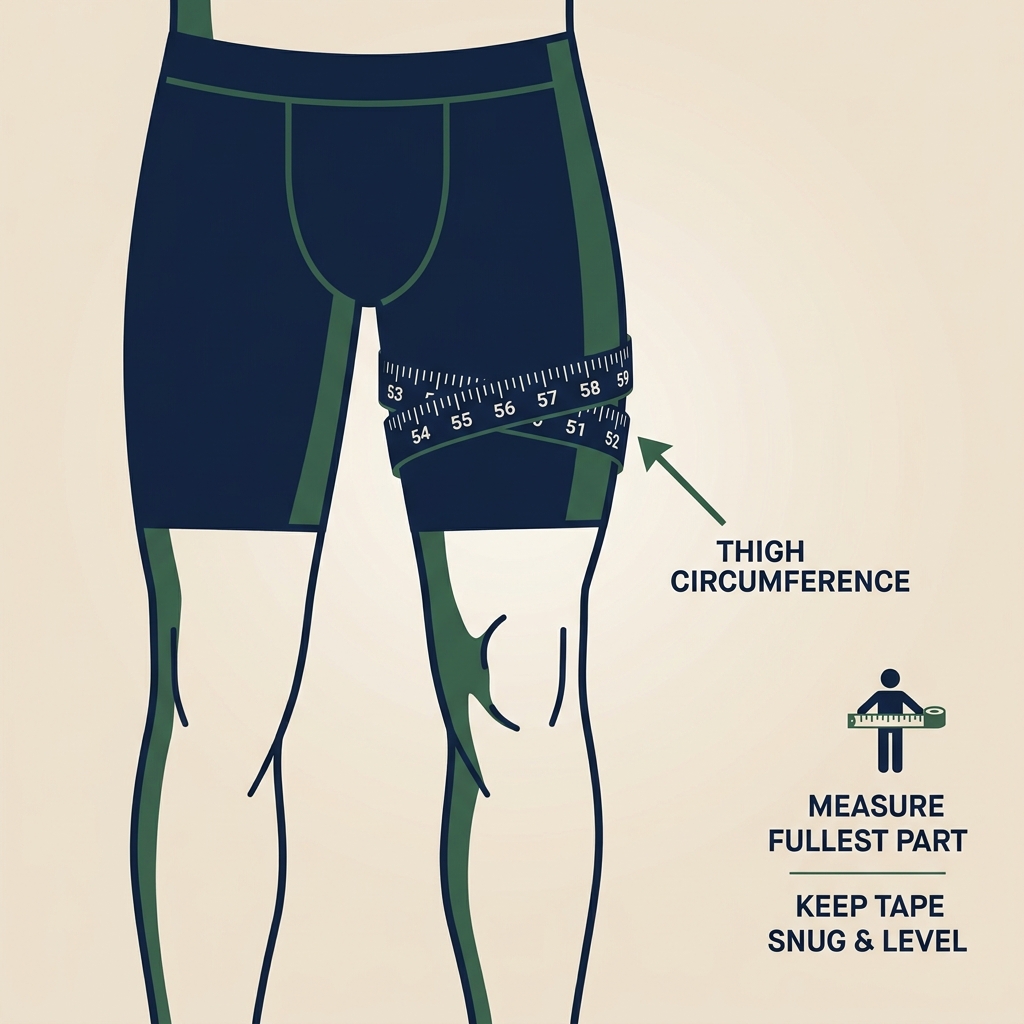
Thigh
Measure around the fullest part of the thigh. As with the bicep, take a few readings at slightly different heights and use the largest to ensure your trousers are comfortable when seated or climbing stairs.
Slim Fit: tailors add 2" / Regular Fit: 2.4"–2.8"
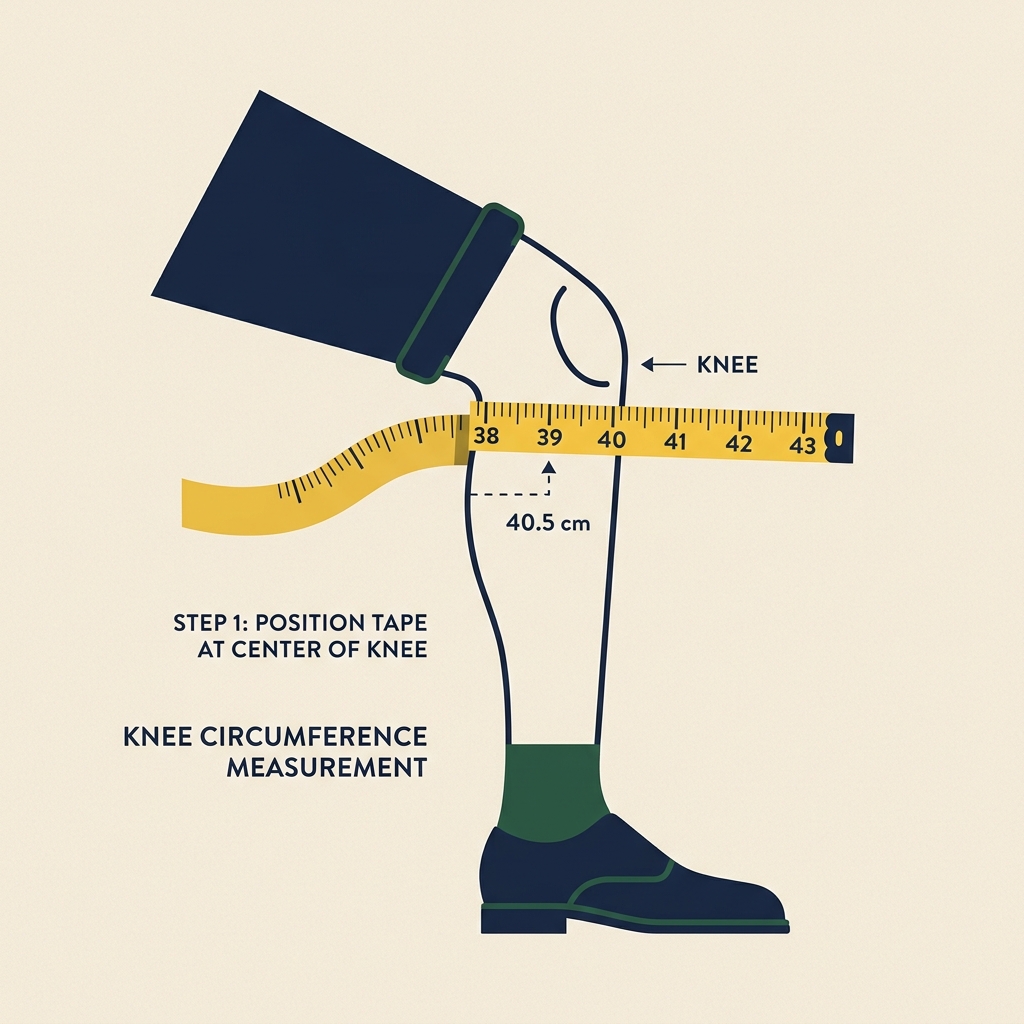
Knee
Measure around the knee at its widest point. Stand naturally with a slight bend in the knee rather than locking it straight.
Used by the tailor to shape the trouser leg through the lower break.
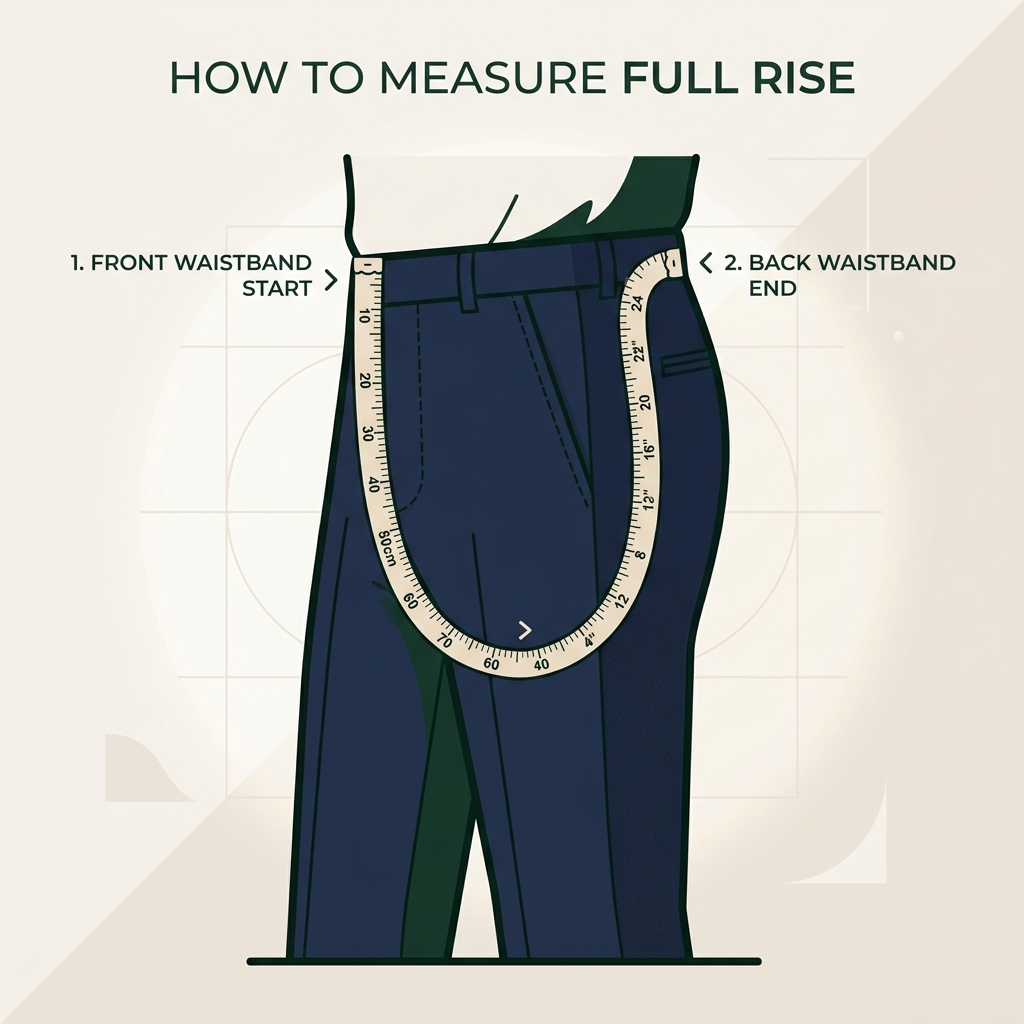
Full Rise
Measure from the top front of the trouser waistband, down through the crotch, and up to the top back of the waistband. This determines how the trousers sit on the body and is particularly important for higher- or lower-rise styles.
Influences comfort when seated. Take this carefully.
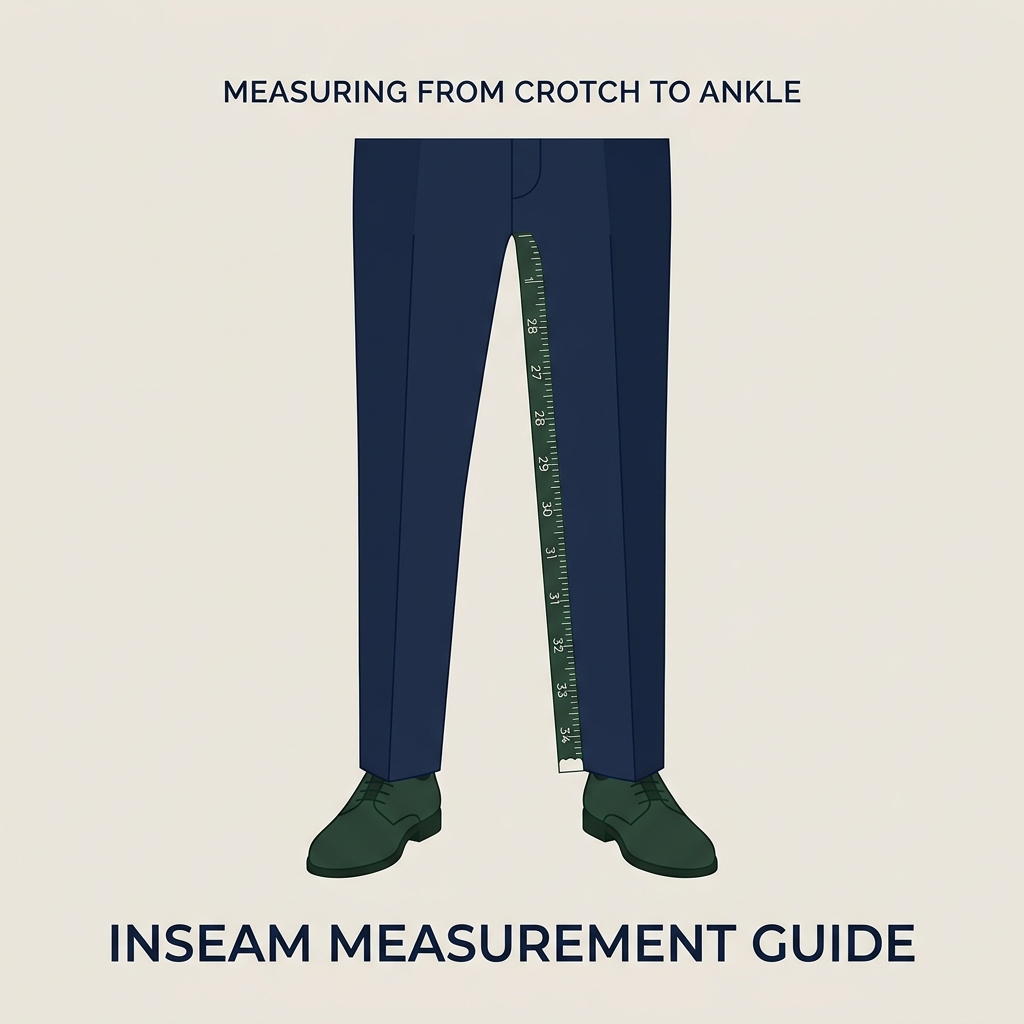
Inseam
Measure a well-fitting pair of trousers from the crotch seam straight down to the bottom of the leg hem. Measuring an existing garment is more accurate than measuring the body directly for this dimension.
No ease added.
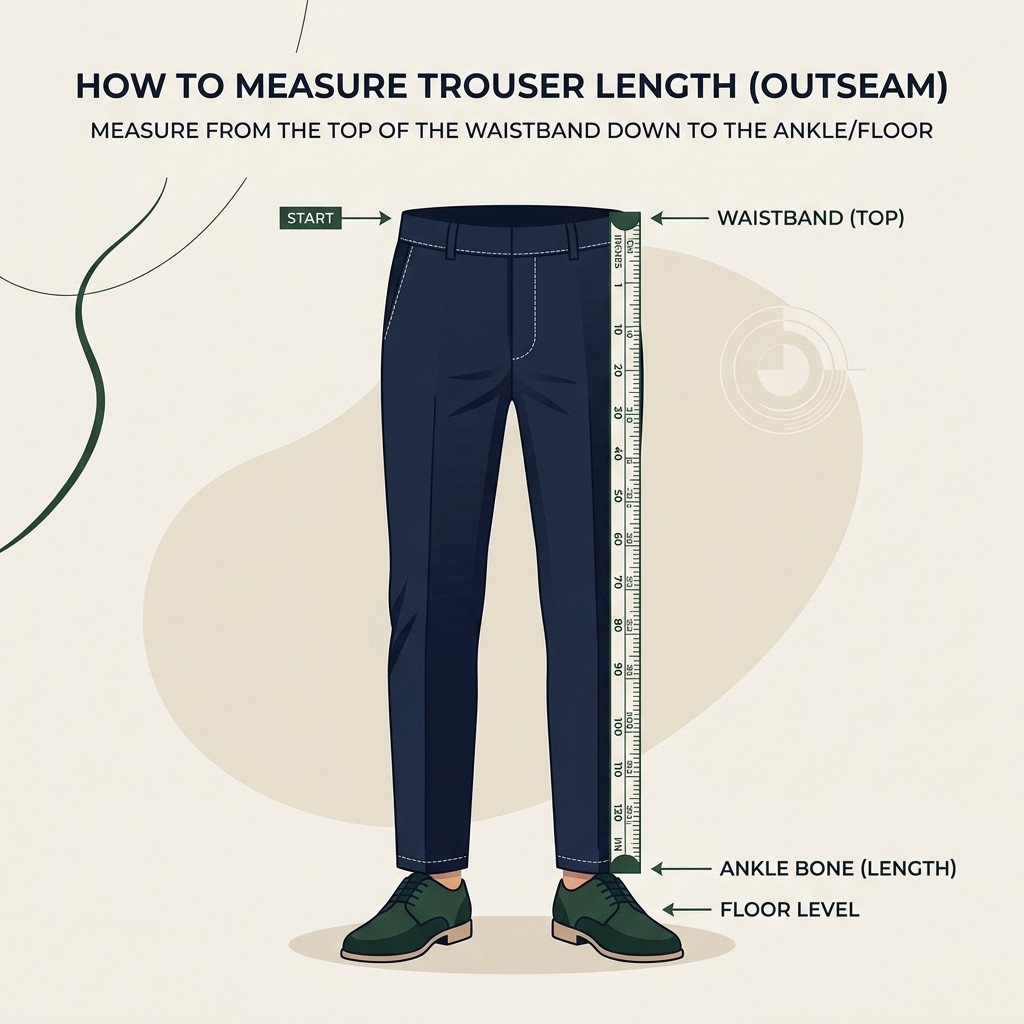
Trouser Length (Outseam)
Stand straight with the tape held firm against the leg. Measure from the top of the waistband down the outside of the leg to the point where you want the hem to fall — typically just grazing the top of the shoe. Trouser length is one of the easier things to adjust later if needed.
No ease added. Measure to your preferred hem break.
General
Height & weight
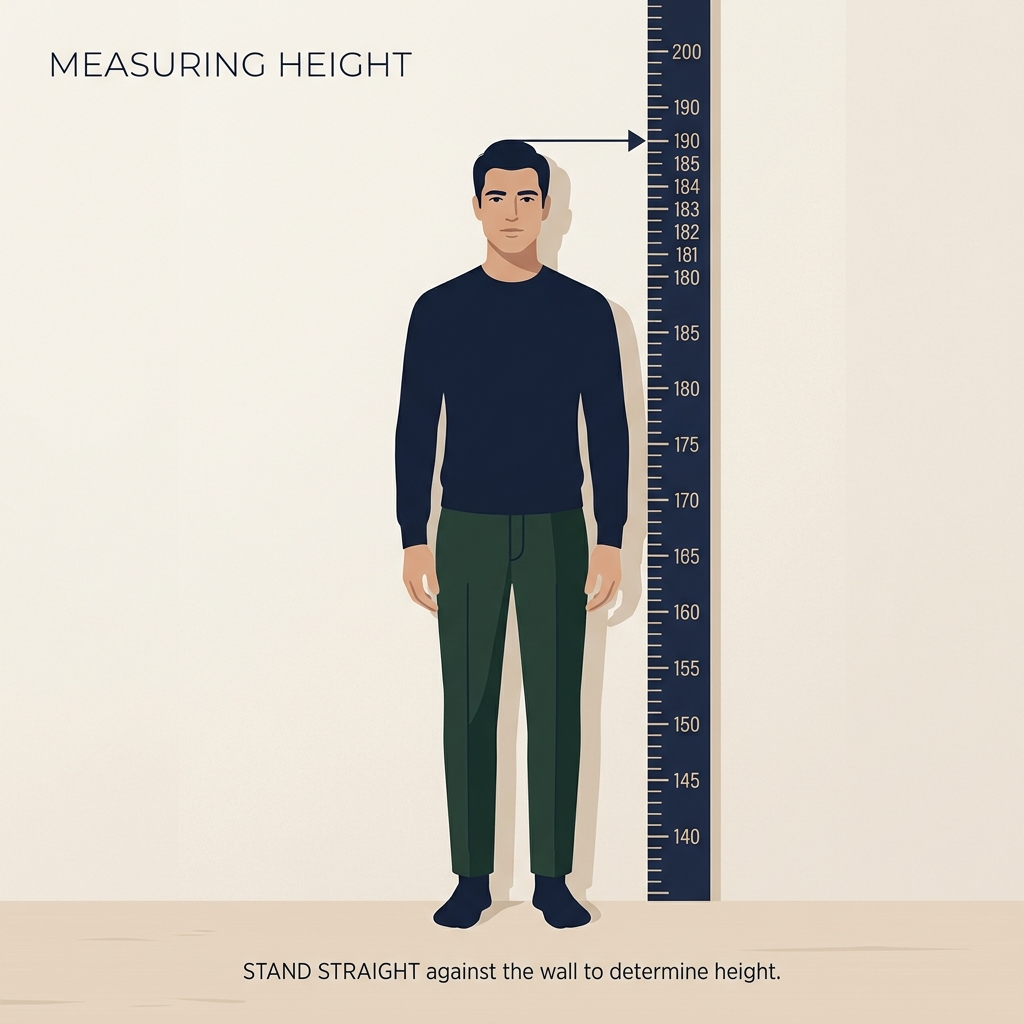
Height
Stand against a flat wall without shoes. Your tailor uses height to cross-check proportions and to fine-tune details like jacket length and sleeve pitch. Provide in feet and inches.
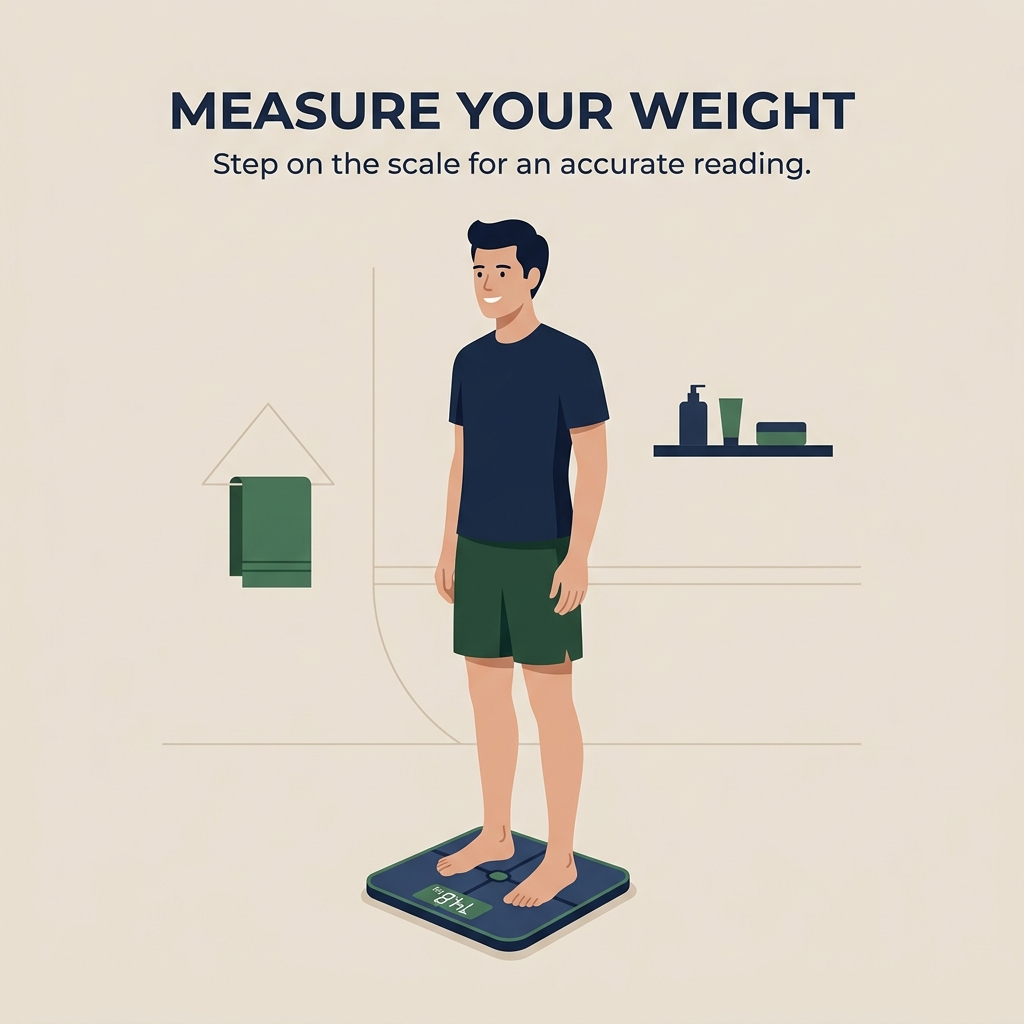
Weight
Your weight helps the tailor sense-check all other measurements and flag anything that looks inconsistent. It is used for reference only and does not directly determine any cut dimension.
Fit guide
Slim fit vs. regular fit
Slim Fit
The jacket is cut closer to the body with a modern, tailored silhouette. Through the waist there is a pronounced suppression, and the chest has less added ease. The trousers taper gently from the thigh down, with a narrower leg opening than a regular cut — but still with enough room to be comfortable. This is not a skinny fit.
Regular Fit
The jacket has a more relaxed fit through the chest and waist with a traditional, less structured silhouette. More ease is added throughout. The trousers have a straighter leg with less taper from the thigh down — a classic, timeless cut that suits most body types and professional environments.
Ready for your fitting?
Find a tailor near you
Once you have your measurements, browse local bespoke tailors in our directory. Many will also take your measurements at a complimentary consultation.